

Why your Orchid has a yellow leaf (and when you actually need to worry)
THE QUICK VERSIONPlot twist: most yellow Orchid leaves are completely normal. Orchids drop their oldest leaf every 9 to 12 months on purpose. That's how they grow.
Right now: count your yellow leaves. ONE bottom leaf yellowing slowly = relax. Multiple leaves, or anything mushy, = let's check.
For good: if there is a real problem, it's almost always root rot. Use a chunky bark mix that lets the roots breathe. Orchids hate sitting in wet soil.
See the permanent fix →
First, breathe. One yellow leaf is probably normal.
Orchids do something most plants don't: they drop their oldest leaf every 9 to 12 months on purpose. The fancy name for it is "natural senescence". The simple version: old leaves get tired, the plant ditches them so it can put energy into new growth.
If you've got one bottom leaf gradually yellowing while the rest of the plant looks fine, you're watching textbook orchid behavior. Don't panic. Don't change anything. Let it fall off when it's ready.
You only need to worry if:
- Multiple leaves are yellow at the same time
- A leaf in the middle or near the top is yellowing (not the bottom one)
- You see anything mushy, brown, or rotten near where the leaves meet the stem
- The plant is also losing flowers, going wrinkly, or feeling loose in the pot
Look at WHERE the yellow is. The spot tells you the cause.
Each pattern in the chart below shows what one of the seven most common causes looks like. Find the one that matches your plant, then read what it means underneath.

- One bottom leaf slowly yellowing, everything else looks fine.Natural shedding. Your orchid is doing what orchids do. Don't touch it.Normal
- Multiple leaves bright yellow, the base feels soft or mushy.Root rot from overwatering. The roots have been sitting in too much moisture and started to rot, so they can't feed the plant anymore.Most common
- Yellow with a wrinkled, leathery surface, leaves feel limp.Dehydration. Soak the root ball in lukewarm water for 30 minutes, then let it drain fully.
- Yellow circular patches on the side facing the window.Sunburn. Move the plant a step back from the window or use a sheer curtain.
- Dark rotting spot at the crown (where the leaves meet the stem).Crown rot. Don't wait. This is the one that kills orchids fastest. Dust with cinnamon, let it dry out completely, no water for two weeks.Urgent
- Yellow or brown tips with a tiny white salt-like crust.Fertilizer burn. You're feeding too much. Flush the pot with plain water and feed at half strength next time.
- Sudden yellow with dark water-soaked patches.Cold shock. The plant got a chill, usually from a window draft, an air conditioner, or sitting in a cold delivery truck.
About 8 out of 10 yellow Orchid leaves are pattern 1 or pattern 2. One needs no action at all. The other comes back to one thing: how the soil holds water.
ONE old bottom leaf yellowing slowly: relax, it's natural.
MULTIPLE leaves, or a top/middle leaf: real problem, time to look at the roots.
ANY rotting spot at the crown: act today. That's the dangerous one.
The honest truth about killing orchids
Almost every dead Orchid in the world died from one thing: rotten roots.
And here's what people don't realize: you didn't really overwater. The pot kept water sitting around the roots for too long. There's a difference.
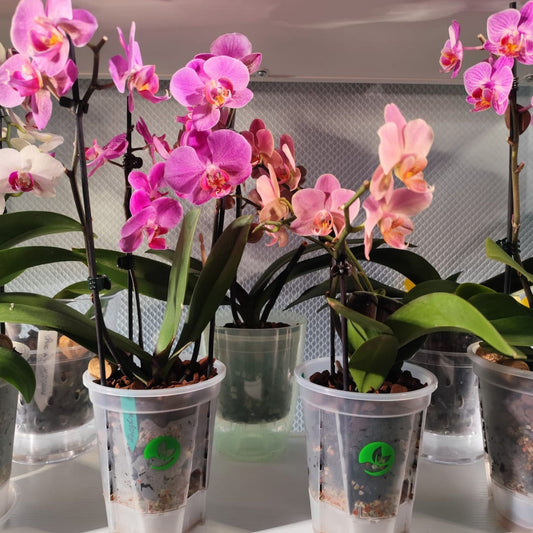
Orchids are not soil plants. In nature, they grow attached to trees, with their roots dangling in the open air. They drink when it rains, then they dry out completely between drinks. That's their normal.
A standard pot full of standard potting soil is the opposite of what they want. Wet, dense, no airflow. The roots never get to dry. They start to rot. The leaves go yellow.
Different problem. Different solution. Not your fault.
If your Orchid is yellowing right now, do this
- Take the plant out of its pot. (If it's stuck, soak the whole pot in water for 10 minutes first to soften the roots.)
- Look at the roots:
- Plump and silver-green (or white if you just watered) = healthy.
- Brown, mushy, hollow = root rot. Cut off all the dead bits with clean scissors.
- Shriveled, dry, brittle = dehydration. Soak in lukewarm water for 30 minutes.
- Check the crown (where the leaves meet the central stem). If you see any rotting or mushy spot, dust it with cinnamon, let it dry out completely, and don't water for two weeks.
- Repot in a chunky orchid bark mix. Never use regular potting soil for an orchid.
- Move to bright but indirect light. An east-facing window is perfect. (Indirect = light that doesn't shine right on the leaves.)
- Going forward: when you water, never let water sit pooled in the crown. Tip the plant gently to drain it out.
The permanent fix: a soil that doesn't suffocate orchid roots
Almost every problem above traces back to one thing: orchid roots need air. Get the soil right, and most problems disappear before they start.
A chunky bark structure that drains in seconds
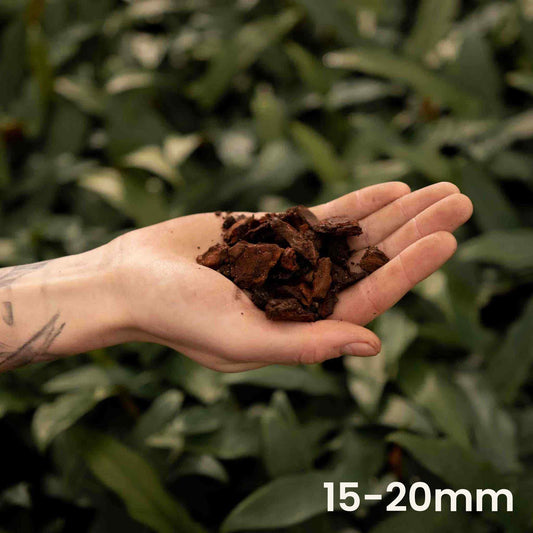
Our Orchid Mix is built around large pine bark chunks, charcoal, and perlite. Lots of air pockets. Water flows through, the roots drink what they need, the rest leaves the pot. Roots stay airy, never soggy.
Built for epiphyte roots that need to breathe
Orchids evolved as epiphytes (plants that live attached to trees, not in the ground). Their roots have a special spongy outer layer called velamen that grabs moisture from the air. They literally drown in soggy soil. Our mix mimics what they'd find in nature: chunky, airy, fast-drying.
A flower-boosting nutrient blend, built right in
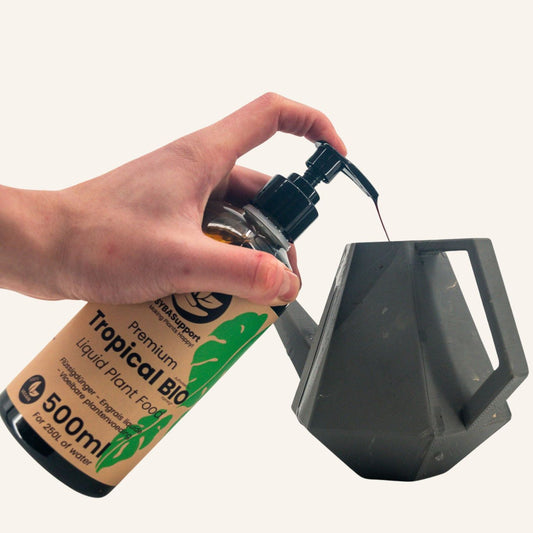
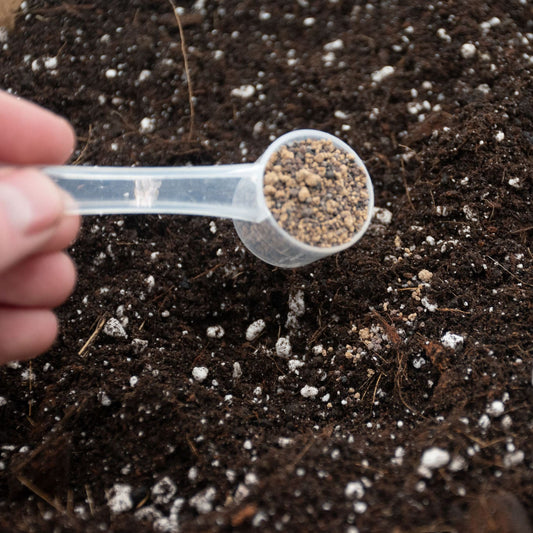
Our Orchid Mix has a slow-release nutrient blend built right in. It's tuned for orchids: the right amounts of nitrogen, potassium, phosphorus, and trace minerals to grow healthy leaves and big blooms. The blend feeds your plant for about six months. So you don't have to remember a fertilizer schedule, and because the dose is built in, you can't burn the roots by overfeeding.
The goal is the same as every orchid grower's goal: stop killing them.
Your Orchid is supposed to be a small joy in your home. Give the roots air, let them dry between drinks, and the plant will reward you with bloom after bloom.