SYBASoil: Premium Soil Mixes
Soil Mixes That Truly Understand Your Plants Not all soil mixes are...
Soil Mixes That Truly Understand Your Plants Not all soil mixes are...

 Deutschland / Germany (EUR)
 France (EUR)
 Nederland / Netherlands (EUR)
 Belgium (EUR)
 United Kingdom (GBP)
 Sverige / Sweden (SEK)
 Danmark (DKK)
 Finland (EUR)
 España / Spain (EUR)
 Italia / Italy (EUR)
 Portugal (EUR)
 Österreich / Austria (EUR)
Ireland (EUR)
Österreich / Austria (EUR)
Ireland (EUR)
 Luxembourg (EUR)
 Polska / Poland (EUR)
 Česko / Czechia (EUR)


🌼 The Perfect Dipladenia Soil for Healthy Growth & Pretty Flowers
……
100% Satisfaction Guarantee Or Your Money Back!
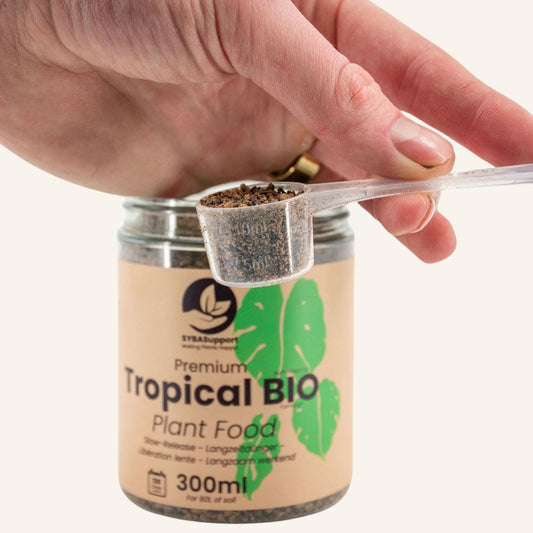
Contains ~180 days of nutrients.


Join 218.725 Plant Lovers With Happy Plants!

Ingredients to help your Dipladenia Plants thrive! Read more
*From a survey answered by 1182 Customers using SYBASoil 30+ days.
Report no soil-based pests like Fungus Gnats or Root Aphids since using SYBASoil.
See stronger root & leaf growth within weeks.
Say watering their plants becomes noticably easier.
We guarantee a 100% satisfaction! Our mission is to help you get happy plants.
If for some reason we fail to do this, just contact us via our help center or return your items hassle-free within 90 days.
Not convinced? Check out our Trustpilot reviews.
The nutrients in SYBASoil will run out in ~6 months on average.
We will advice you on the right fertiliser after doing our plant scan.
We recommend repotting once any of these things happen:
94.2% of customers report visibly stronger roots & leaf growth within a few weeks.
You will also notice that watering becomes a lot easier due to having the right soil structure.
It becomes too compact over time, leading to a state where it no longer absorbs water.
That's why we opt for coconut fiber and worm castings, keeping your potting soil delightfully airy and usable for much longer. Much more environmentally friendly in its use & less CO2!

Your Dipladenia Plants deserve the same love
100% Satisfaction guarantee or money back
Dipladenia Soil that holds steady moisture, drains cleanly, and keeps roots well oxygenated, that is exactly what our Universal Mix delivers for flowering mandevilla and dipladenia vines in containers. This fine to medium textured blend supports active root growth without waterlogging, so you can pot straight from the bag and focus on light, feeding, and training. The structure helps prevent root rot, evens out the wet to dry cycle, and maintains porosity as plants mature and bloom. Crafted to our specs at Sybotanica, it balances coir, aeration minerals, and gentle nutrition to keep foliage glossy, buds forming, and roots exploring.
Below you will find each ingrediënt, exactly as used in our recipe, plus why it suits Dipladenia’s vigorous, bloom focused growth and fine, thirsty roots, and how it creates dependable Dipladenia Soil performance in pots and planters.
Together, these components create what you want from Dipladenia Soil, an evenly moist yet airy substrate with reliable drainage and balanced nutrition. You can refresh the top layer or repot with the same Universal Mix to keep performance consistent across seasons with Sybotanica quality.
Dipladenia and mandevilla species originate from warm, bright regions of South America where seasonal rains pulse through loose, organic rich ground mixed with mineral grit. Water arrives in bursts, then sun and airflow help the substrate dry down evenly while large air spaces remain open. That natural rhythm explains why the plant prefers structured, breathable Dipladenia Soil rather than dense garden soil. It thrives when water passes through freely, a thin film of moisture remains on particles, and oxygen can circulate around actively growing roots to support continuous bud formation.
Light: Give bright light with several hours of gentle direct sun. Indoors, choose the sunniest window and rotate the pot every couple of weeks for even growth. Outdoors on a patio or balcony, acclimate gradually to stronger sun to avoid leaf scorch, more light usually means more blooms.
Water: Water thoroughly, then let the top few centimeters dry before watering again. With proper Dipladenia Soil excess should drain quickly into the saucer, then you can empty it. In warm months you will water more often, in cooler months reduce frequency, avoid letting the root ball stay soggy after a heavy soak.
Humidity and airflow: Normal indoor humidity works, steady airflow matters more than misting. Keep leaves dust free so stomata can function well, this also helps keep pests at bay during long flowering runs.
Feeding: Use a balanced (liquid) house plant fertiliser during active growth. The worm castings and organic fertilisers in your Dipladenia Soil provide a helpful baseline, so you do not need to add any fertiliser the first 6 months after repotting! If buds stall, check light first, then consider a slightly higher potassium ratio.
Training and support: Provide a small trellis, hoop, or other supports to guide vines. Pinch soft tips early to encourage branching and more flower sites. Remove spent blooms and yellowing leaves promptly to keep energy moving to new buds.
Pot and size: Choose a pot with large drainage holes. Dipladenia likes a slightly snug fit that dries predictably. Step up one size when roots circle the base or when water begins to run through very quickly.
Repotting rhythm: Refresh the top few centimeters with fresh mix each spring to restore structure. Full repots are usually needed every 12 to 18 months, sooner if water starts to sit on the surface. If the mix feels heavy for too long, lighten your Dipladenia Soil with a touch more perlite.
Pests and health: Inspect leaf undersides, buds, and petiole nodes when you water. Good airflow and the right Dipladenia Soil help prevent pests. If you accidentally overwater, allow the mix to reach the correct dryness before watering again, then extend the interval or add a little more aeration at the next refresh.
By matching the airy, evenly moist substrate and bright conditions dipladenia evolved with, you create the calm, consistent environment that supports firm roots, glossy leaves, and reliable bud set throughout the season.
Citrus Soil | Olive tree Soil | Rhododendron Soil | Tomato Soil | Vegetable Soil | Lavender Soil | Hortensia Soil | Rose Soil | Camellia Soil