SYBASoil: Premium Soil Mixes
Soil Mixes That Truly Understand Your Plants Not all soil mixes are...
Soil Mixes That Truly Understand Your Plants Not all soil mixes are...

 Deutschland / Germany (EUR)
 France (EUR)
 Nederland / Netherlands (EUR)
 Belgium (EUR)
 United Kingdom (GBP)
 Sverige / Sweden (SEK)
 Danmark (DKK)
 Finland (EUR)
 España / Spain (EUR)
 Italia / Italy (EUR)
 Portugal (EUR)
 Österreich / Austria (EUR)
Ireland (EUR)
Österreich / Austria (EUR)
Ireland (EUR)
 Luxembourg (EUR)
 Polska / Poland (EUR)
 Česko / Czechia (EUR)


🌿 The Perfect Philodendron Soil for Healthy Growth & Happy Plants
……
100% Satisfaction Guarantee Or Your Money Back!
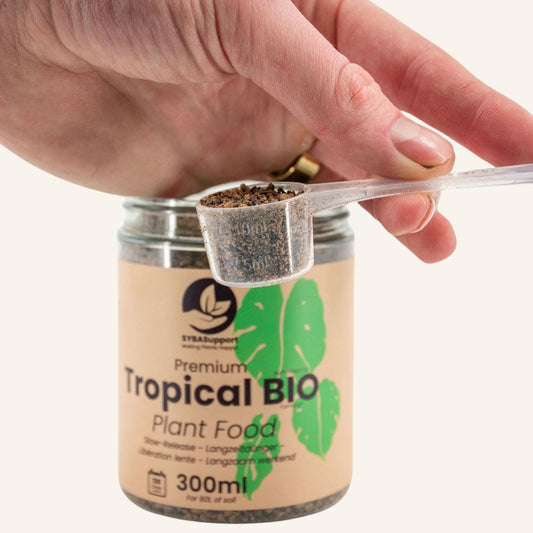
Contains ~180 days of nutrients.


Join 215.234 Plant Lovers With Happy Plants!

Ingredients to help your Philodendron Plants thrive! Read more
*From a survey answered by 1182 Customers using SYBASoil 30+ days.
Report no soil-based pests like Fungus Gnats or Root Aphids since using SYBASoil.
See stronger root & leaf growth within weeks.
Say watering their plants becomes noticably easier.
We guarantee a 100% satisfaction! Our mission is to help you get happy plants.
If for some reason we fail to do this, just contact us via our help center or return your items hassle-free within 90 days.
Not convinced? Check out our Trustpilot reviews.
The nutrients in SYBASoil will run out in ~6 months on average.
We will advice you on the right fertiliser after doing our plant scan.
We recommend repotting once any of these things happen:
94.2% of customers report visibly stronger roots & leaf growth within a few weeks.
You will also notice that watering becomes a lot easier due to having the right soil structure.
It becomes too compact over time, leading to a state where it no longer absorbs water.
That's why we opt for coconut fiber and worm castings, keeping your potting soil delightfully airy and usable for much longer. Much more environmentally friendly in its use & less CO2!

Your Philodendron Plants deserve the same love
100% Satisfaction guarantee or money back
Philodendron soil that keeps roots airy, drains fast, and still holds moisture, that is exactly what our Aroid Mix delivers for climbing and self-heading philodendrons. This chunky, breathable blend mirrors the loose substrates these rainforest plants love, so you can pot straight from the bag without extra additives.
You get steady growth, fewer watering headaches, and a mix designed for healthy roots that helps prevent root rot. Crafted to our specs at Sybotanica, it balances structure, porosity, and nutrition so your plant can focus on lush leaves and reliable new growth.
Below you will find each ingredient, exactly as used in our recipe, plus why it suits Philodendron’s thick, exploring roots and semi-epiphytic habit.
Together, these components create what you want from Philodendron soil, a loose, airy texture with reliable moisture, strong drainage, and a nutrition profile that supports lush leaves without forcing growth. You can top up with the same Aroid Mix at the next repot to keep performance consistent across seasons with Sybotanica quality.
Most philodendrons come from tropical Central and South America where they climb or sprawl under a high canopy. In those forests, roots colonize leaf litter, moss, and loose woody debris that collect on the forest floor and in tree nooks. The substrate stays humid from frequent rainfall and high ambient humidity, yet it drains quickly and breathes well.
That natural setting explains why the plant prefers chunky Philodendron soil rather than dense garden soil. It thrives in a matrix that lets water run through, holds a thin film of moisture on particle surfaces, and maintains big air spaces for oxygen exchange. A gentle, continuous trickle of nutrients from decomposing organic matter supports steady growth without heavy feeding.
Light: Give this plant bright, indirect light. A few hours of soft morning sun can help color and growth, harsh midday sun can scorch leaves. In lower light, internodes stretch, so increase light gradually to encourage compact growth.
Water: Water thoroughly when the top few centimeters feel dry. With proper Philodendron soil you should see excess drain quickly into the saucer, then you can empty it. In warm months you will water more often, in cool months less. If the pot stays heavy for too long, your mix may be too compact or your container has poor drainage.
Humidity and airflow: Aim for moderate to high humidity with good airflow. Wipe leaves to keep them dust free so stomata can function. Avoid cold drafts, keep plants away from heaters.
Feeding: Use a balanced (liquid) monstera plant food during active growth. The worm castings in your Philodendron soil provide a helpful baseline, so you do not need to add any fertiliser the first 6 months after repotting!
Repotting: Step up one pot size when roots circle the base or growth slows. Refresh with the same chunky mix to maintain structure. If water sits on the surface, this might be a sign your soil has compacted too much and needs replacing.
Training and pruning: Provide a moss poles or stake for climbing types, this aligns with their natural habit and promotes larger leaves. Trim leggy vines to shape and encourage branching. Rotate the pot every few weeks for even growth.
Pests and health: Check leaf undersides and nodes when you water. Good airflow and the right Philodendron soil help prevent pests and keep roots resilient. If you overwater, allow the mix to reach the correct dryness before watering again, and consider increasing perlite or chips at the next refresh.
By matching the airy, structured substrate philodendrons evolved with, and by keeping a simple routine that balances light, moisture, and nutrition, your plants will reward you with steady growth and those glossy, richly colored leaves that make philodendrons a favorite.